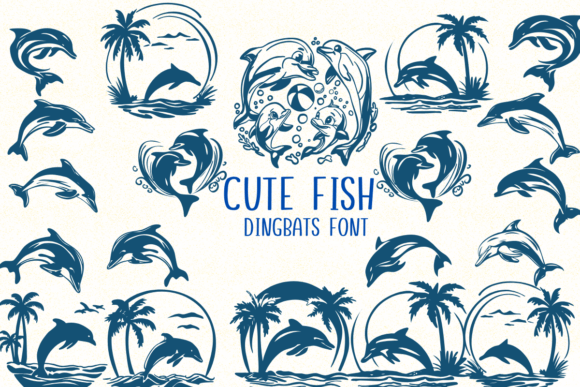
Dive Into Creativity: The Whimsical Appeal of Cute Fish
In the vast ocean of typography, finding a typeface that strikes the perfect balance between playful whimsy and professional utility can be a challenge. Enter Cute Fish, a unique dingbats font designed specifically to inject an aquatic sense of fun into your creative endeavors. While standard sans serif and serif fonts handle the heavy lifting of body text, display fonts like Cute Fish serve a different, vital purpose: they act as visual storytelling devices. This isn't just a collection of characters; it is a curated set of design assets that can transform a flat layout into a vibrant, engaging experience. Whether you are a seasoned graphic designer, a small business owner crafting a brand identity, or a hobbyist looking to spice up personal projects, understanding how to leverage a specialized typeface like Cute Fish is key to standing out.
Visualizing the Personality: What Makes Cute Fish Unique?
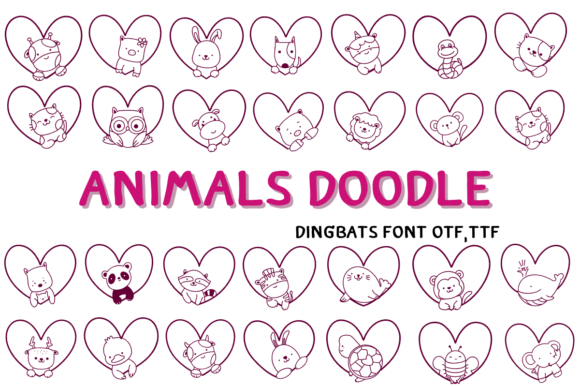
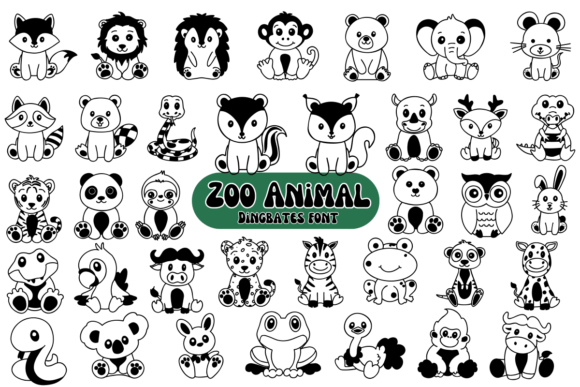
To appreciate the utility of Cute Fish, one must first understand its visual language. As a dingbats font, it does not render letters or numbers in the traditional sense. Instead, each keystroke produces a distinct illustration featuring an aquatic theme. The style leans heavily into a "cute" aesthetic—think rounded edges, friendly expressions, and a hand-drawn quality that feels personal rather than corporate. This is not the aggressive, sharp geometry of a modern tech logo; it is the warm, inviting atmosphere of a children’s book illustration or a cozy coastal café.
The personality of this creative font is undeniably cheerful. It avoids the complexity of hyper-realistic illustration in favor of minimalism and charm. This simplicity is its strength. Because the icons are not cluttered with excessive detail, they scale remarkably well across different media. The overall appeal lies in its versatility as an embellishment. It functions much like a handwritten font or a script font might, adding a human touch, but it does so through imagery rather than letterforms. When you use Cute Fish, you are not just choosing a typeface; you are selecting a mood—one that suggests relaxation, nature, and playful creativity.
Practical Applications: From Wedding Invitations to Brand Identity
The true value of any premium font lies in its application. Cute Fish shines brightest in projects where atmosphere is just as important as information. For event planners and stationery designers, this font is a goldmine. Imagine a set of beach-themed wedding invitations. Instead of generic clipart, you can use specific characters from the Cute Fish font to create custom watermarks, bullet points, or decorative borders that feel cohesive and intentional. The consistency of the line weight across the font’s character set ensures that your design looks polished, not patchy.
Beyond stationery, consider the impact on packaging design and logo design. If you are launching a brand related to pet care—specifically aquariums—or a line of sustainable seafood, Cute Fish offers an immediate visual shorthand. It tells the customer what you do before they even read the tagline. It can also be integrated into social media graphics to break up text-heavy posts. A small fish icon used as a bullet point in an Instagram carousel or a decorative element in a Pinterest pin can increase engagement by making the content more visually digestible. It adds a layer of professionalism to DIY projects, turning a simple craft into something that looks store-bought.
Typography Strategy: Pairing and Hierarchy
Using a display font or a symbol font effectively requires a strategic approach to font pairing. Because Cute Fish is highly decorative, it should rarely be the only font in a project. It acts as the spice, not the main ingredient. To maintain visual hierarchy and readability, it must be paired with a typeface that grounds the design.
For a clean, modern look, pair Cute Fish with a geometric sans serif font. The clean lines of a sans serif provide a neutral canvas that allows the aquatic illustrations to pop without competing for attention. This combination works well for web design and editorial design, where clarity is paramount. Alternatively, if you are aiming for a more organic, artisanal vibe—perhaps for a bakery or a lifestyle blog—pairing it with a classic serif font or a soft script font can create a warm, inviting contrast.
When establishing your hierarchy, use Cute Fish sparingly. It is excellent for pull quotes, section dividers, or accent marks, but it should never be used for body text. The goal is to guide the reader's eye. By using the fish icons to mark the start of a new section or to highlight a specific feature, you create a rhythm in your design that keeps the audience engaged. This thoughtful use of typography signals to your audience that you care about the details, which enhances brand perception and trust.
Evaluating Fit and Commercial Licensing
Before integrating any new design assets into your workflow, it is essential to evaluate the project fit and the licensing terms. Cute Fish is ideal for projects targeting demographics that appreciate warmth, playfulness, and nature. It is perfect for children’s education materials, aquarium shops, summer festivals, and beach resorts. However, it would likely feel out of place in heavy industries like construction or finance, where a more serious, corporate aesthetic is expected.
From a practical standpoint, always test the font in context. Download the character map to see exactly which illustrations are included. Does the set offer enough variety for your needs? Do the fish face left or right, and does that directionality fit your layout? Furthermore, if you are using this for a client or selling products (like printed t-shirts or mugs), you must ensure you have the correct commercial font license. Most premium font licenses cover a specific number of users or projects, so reading the fine print protects you legally and ensures the original artist is compensated for their work.
Final Thoughts on Creative Implementation
Cute Fish is more than just a novelty; it is a functional tool for adding personality to digital and print media. It allows creators to move beyond the limitations of standard text and infuse their work with a distinct character. By treating this font as a strategic element of your brand identity rather than just decoration, you can create memorable experiences for your audience. Whether you are designing a logo, crafting a wedding invite, or building a social media presence, this aquatic typeface offers a refreshing way to make a splash in a crowded market.